Providence homes and how water moves through them
Triple-deckers began appearing in Providence around 1890, and within a few decades they filled many working neighborhoods. The Oakland Avenue Historic District in Smith Hill, for example, is made up mostly of two- and three-family wood-frame houses built between 1890 and 1930. The East Side tells a different story: it holds a large concentration of buildings on the National Register of Historic Places, including houses that predate the American Revolution.
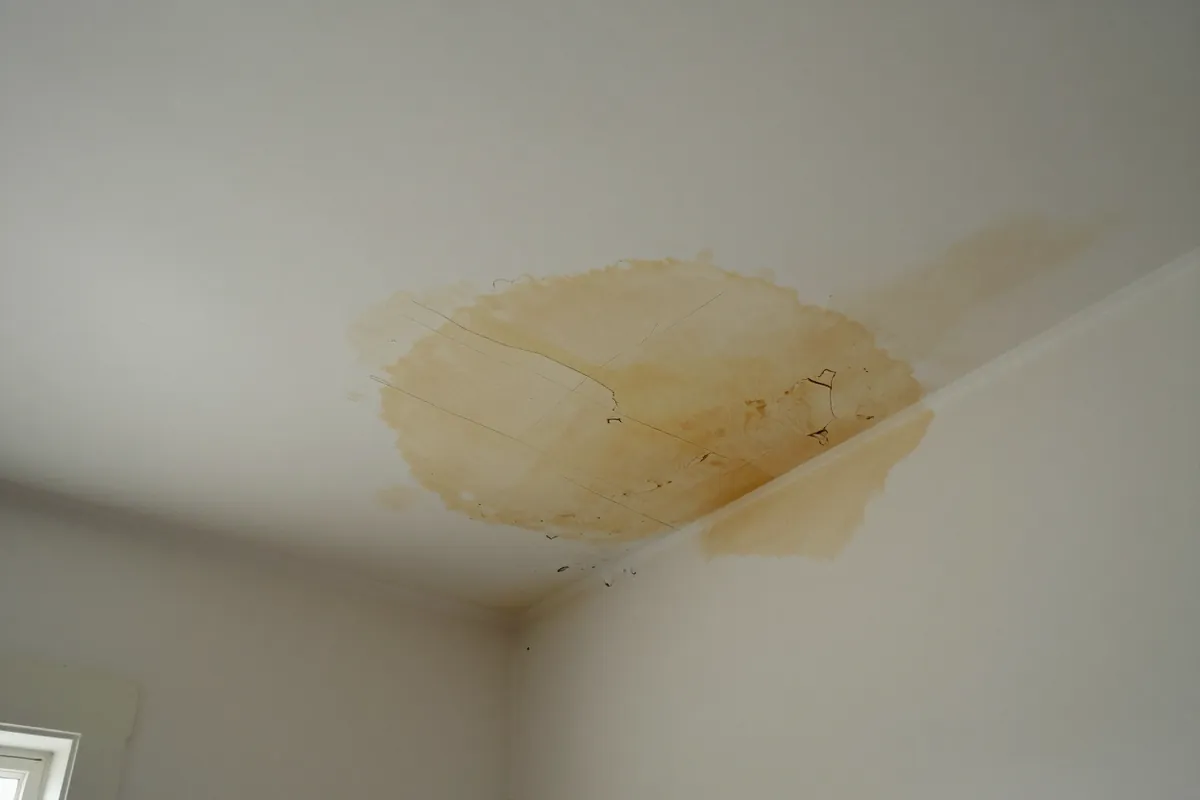
Both kinds of house have plumbing that has been patched and replaced piece by piece over generations. In a building where three kitchens and three bathrooms sit one above another, a single failed fitting upstairs can show up as a stain two floors down.
What usually causes water damage here
- Stacked bathrooms and kitchens. A worn wax ring under a toilet, a cracked tub drain, or a loose sink trap in an upper unit sends water down through the floor framing into the ceiling below.
- Water heaters in a shared basement. Multi-family houses often have more than one tank downstairs, and a heater that rusts through can spread water across a floor several households use for storage.
- Lines along outside walls. In a cold Rhode Island January, supply pipes in back hallways or exterior walls can ice up and split.
- Slow leaks around roof openings. On a three-story house, a drip near a chimney or vent pipe can go unnoticed until a third-floor ceiling stains.
Mold Remediation in Providence, RI
Basements under old city houses stay cool and damp through the summer, and stored boxes, wood shelving, and old carpet give mold something to feed on. Bathrooms in many older apartments were built without exhaust fans, so shower steam settles into ceiling paint and window trim. And when water from one floor soaks into the cavity above another, mold can grow inside that ceiling well before anyone sees it.
Remediation in a multi-family building has an extra layer to it. The work area has to be closed off so spores disturbed in one apartment don't drift into the hallway or the units next door. Expect the provider to hang plastic sheeting, run filtered air machines while damaged material comes out, and trace the leak or humidity problem behind the growth. In a triple-decker, that often means looking at the bathroom upstairs as well as the stained ceiling below it.
A few spots on a tiled shower wall rarely call for outside help. If the growth spreads across a ceiling, hides inside a wall, keeps returning, or a resident of the building has a health condition, a professional is the safer route. For owners, it also helps to give tenants notice before the work starts, since some apartments may need to be cleared. The mold remediation guide explains each step, and the mold remediation cost guide lists general national ranges.
First steps if water is coming through a ceiling
- Stop the source upstairs. Close the valve behind the toilet or under the sink in the unit where the leak begins. If you can't find it, close the building's main valve, usually in the basement where the water line comes in.
- Keep everyone out from under a wet ceiling. If you can reach the panel safely, switch off the circuit for ceiling lights and fans in that room.
- Check on the other households. Water rarely stays in one apartment, so look for stains, drips, and damp outlets on the floors below.
- Photograph every affected unit before cleanup, and write down when you found the leak for your insurance company.
- Renting an apartment in the building? Repairs to the structure are the owner's call, so let them know what you found.
Getting connected with a provider
RI Water & Mold is a referral service, not a contractor, and it has no office or crew in Providence. When a Providence homeowner calls, the call goes to a participating independent provider that takes jobs in the city, if one is available. You speak with that provider directly, and any price or schedule is agreed between the two of you. Here's how the referral works.
What it might cost
A leak that reaches more than one apartment usually means more ceilings to open, more rooms to dry, and more to rebuild, so multi-family jobs often cost more than a leak confined to one room. Our water damage restoration cost guide and mold remediation cost guide show general national ranges. They aren't quotes; the provider sets the price after inspecting your building.
Questions from Providence homeowners
A leak started on the third floor of my triple-decker. Can it cause mold in the apartments below?
It can. Water from an upper unit often follows pipes and floor framing into the ceilings and walls beneath it, where it stays out of sight. If those materials don't dry out within a day or two, mold may start growing. Ask the provider to take moisture readings in every unit the water could have reached, not only the one where it started.
My East Side house has old plaster walls and ceilings. Can wet plaster be saved?
Sometimes. Plaster that got wet but is still firmly attached to the lath can often be dried in place. Plaster that has bulged, cracked loose, or stayed wet for a long time usually needs repair or replacement. When you're connected with a provider, ask how they handle plaster in older homes.
Do I need mold testing before remediation?
Usually not when the mold is visible. Under general EPA guidance, sampling isn't necessary just to confirm growth you can already see. Testing can still help when there's a musty odor but no visible source, or to check the results after the work. Ask the provider whether testing is part of their plan and who would carry it out.
Neighboring cities
Homeowners just over the city line can find their own local pages here: