For Rhode Island homeowners

Water damage or mold in your Rhode Island home?

Call to be connected with an independent local provider that handles water damage restoration and mold remediation. RI Water & Mold is a referral service, not a contractor, and we're upfront about how the service is paid for.

For a new water damage or mold problem at a home you own in Rhode Island. Renting? Please contact your landlord or property manager first.

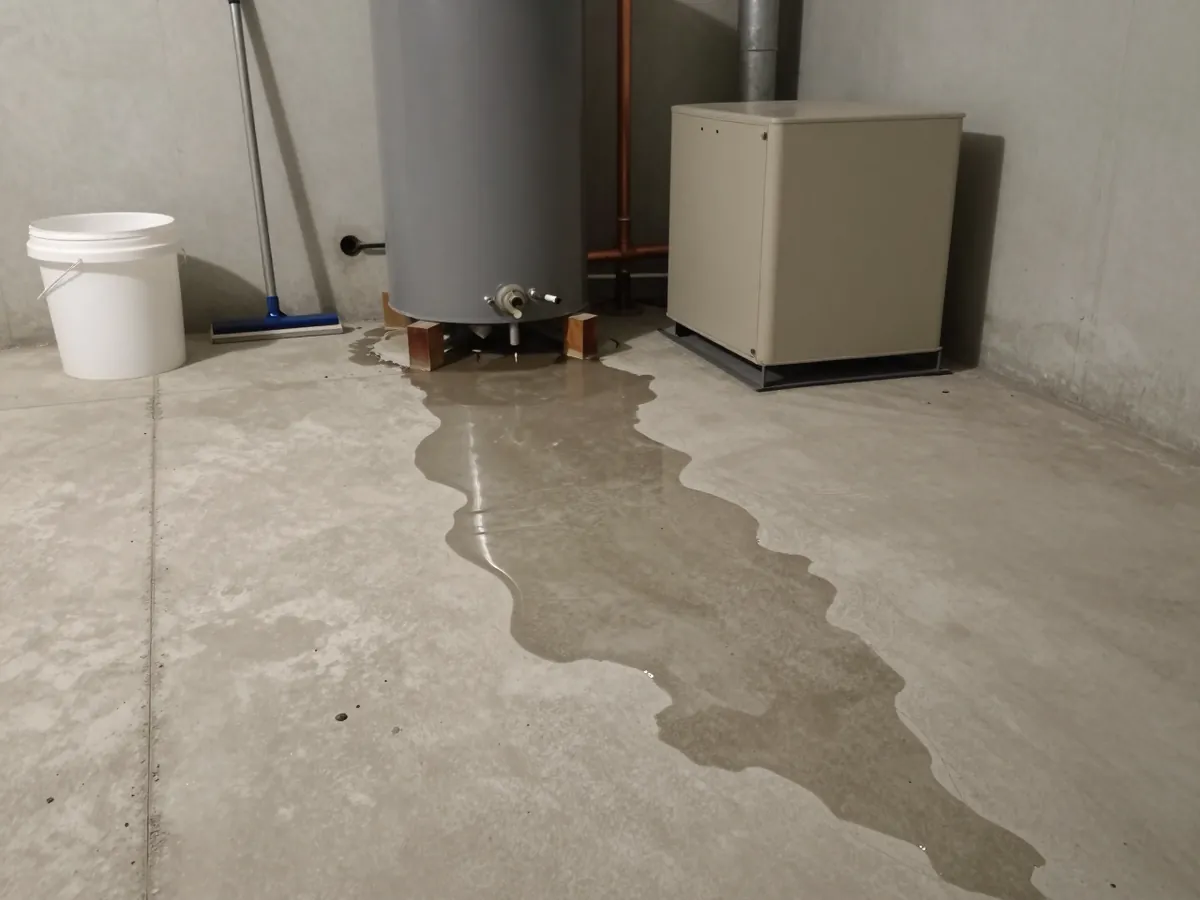
Water leaking from the bottom of a water heater and spreading across a concrete basement floor, with a bucket and a floor squeegee nearby.
  • A referral service. We connect your call; we don't do the work.
  • Independent providers. Each one sets its own prices, schedule, and terms.
  • You decide. Calling doesn't obligate you to hire anyone.

What to do first

A few calm, safe steps in the first hours can limit the damage and make the next conversations, with your insurance company or a provider, go more smoothly.

After water damage

  1. Put safety first. If water is near outlets, appliances, or the electrical panel, stay out of the area and contact your electric utility or an electrician. If you smell gas, leave and call the gas utility from outside.
  2. Stop the water. Close the fixture's supply valve or the home's main water shutoff. For a roof leak, catch drips in buckets and move belongings out of the way.
  3. Document it. Take photos and video of the damage, the source, and affected belongings before cleanup begins.
  4. Call your insurance company to ask what your policy covers and how to start a claim.
  5. Start drying if it's safe. Remove small amounts of water, lift furniture off wet floors, and run fans to keep air moving.
More on water damage restoration

If you find mold

  1. Don't disturb it. Scrubbing, sanding, or dry-brushing moldy material can spread spores to other parts of the house.
  2. Look for the moisture. Mold grows where there's water: a leak, condensation, or high humidity. It comes back unless the moisture is fixed.
  3. Size it up. General EPA guidance says homeowners can often clean an area smaller than about 10 square feet themselves, with proper protection. Larger areas usually call for a professional.
  4. Don't paint over it. Paint and caulk hide mold; they don't stop it.
  5. Check on health concerns. If anyone at home has asthma, allergies, or a weakened immune system, talk with a doctor before cleanup.
More on mold remediation

How the service works

One phone call, three steps. Here's exactly what happens.

  1. Call the number on this page

    You may be asked a couple of short questions, like your ZIP code and whether the problem is water or mold, so your call can be routed.

  2. Get connected

    Your call is connected to a participating independent provider that serves your area, when one is available.

  3. Talk with the provider directly

    Describe what happened and ask your questions. If you schedule an inspection, the provider sets the price after seeing the damage. Hiring them is up to you.

This site may be compensated by participating providers for calls. Read the full details.

Two services, one phone line

Water problems and mold problems often go together. Water left too long can lead to mold, and mold almost always points to a moisture problem.

Water damage restoration

For burst or frozen pipes, water heater failures, appliance and plumbing leaks, toilet and tub overflows, sump pump failures, and slow roof or ceiling leaks. Restoration usually includes an inspection, water extraction, drying, cleanup, and repairs.

Mold remediation

For visible mold, musty odors, and mold that keeps coming back in basements, bathrooms, attics, and walls. Remediation usually includes containment, removal of affected materials, cleaning, and fixing the moisture source.

What does it cost?

Every job is different, and the actual price is set by the provider after an inspection. These general national estimates can help you plan. Prices vary by location and provider.

Water damage restoration

Typical range · general estimate

About $1,300–$5,700

Minor cleanups can be a few hundred dollars. Major water damage, like a basement flooded by a burst pipe, can exceed $10,000.

Water damage cost guide

Mold remediation

Typical range · general estimate

About $1,200–$3,800

Small, contained areas run around $500–$1,500. Extensive whole-home remediation can reach $10,000 or more.

Mold remediation cost guide

Why water and mold problems are common in Rhode Island homes

Rhode Island has many older homes, and many of them have basements. Basements often hold the water heater, the washing machine, the main water line, and the sump pump, so a single failure there can put water on the floor. Their cool walls also collect condensation.

  • Humid summers put extra moisture in the air, and it settles into basements and poorly ventilated bathrooms and attics.
  • Cold winters can leave pipes frozen in exterior walls, crawlspaces, and unheated areas. A frozen pipe can split and leak when it thaws.
  • Older plumbing, such as aging pipes, fittings, and fixtures, can develop slow leaks that go unnoticed behind walls and under floors.

None of this means your home will have a problem. It's simply worth knowing what to do if water gets where it shouldn't.

Guides for your city

Local pages on housing, common indoor leaks, and mold concerns:

All service areas

Who we are, and who we aren't

A referral service, not a contractor

We don't have crews or technicians, we don't inspect homes, and we don't perform or supervise any work.

Independent providers

The providers you're connected with are independent businesses. They set their own prices, schedules, and terms.

How this site is paid

Participating providers may compensate this site for calls. Being connected with a provider isn't an endorsement of that provider.

Your decision

Before hiring anyone, verify the provider's license and insurance, and get the scope of work and price in writing.

Read how it works

Frequently asked questions

Is RI Water & Mold a restoration or remediation company?

No. RI Water & Mold is a referral service, not a contractor. We connect Rhode Island homeowners by phone with independent local providers. We don't have crews, we don't inspect homes, and we don't perform or guarantee any work.

Who pays for this service?

Participating providers may compensate this site for calls. That's how the phone line is funded. Any work you agree to is priced and billed by the provider you choose to hire. Read how this site is paid.

How much will my job cost?

Only the provider can price your job, usually after an inspection. For planning, see the general national estimates in our water damage restoration cost and mold remediation cost guides.

I rent my home. Should I call?

Please contact your landlord or property manager first. In most rentals, repairs to the building are arranged and approved by the owner, who may also need to involve their own insurance company.

Does homeowners insurance cover water damage or mold?

It depends on your policy and on what caused the damage. Standard homeowners policies often cover sudden and accidental water damage, like a burst pipe, but usually not gradual leaks, poor maintenance, or flood water from outside the home. Mold coverage is often limited. Always check your own policy and talk with your insurance company.

Water damage or mold at home?

Call to be connected with an independent provider that serves your part of Rhode Island.

Call (888) 217-4402

RI Water & Mold is a referral service, not a contractor. Calls are connected to participating independent providers, who may compensate this site. Renting? Please contact your landlord or property manager first. How it works

Call (888) 217-4402